SATs SPaG papers: official KS1 and KS2 links and parent guide
This page collects the official KS1 and KS2 SPaG past paper links in one place, with a short guide to using them at home without turning every attempt into a full mock exam. Kidfriendly supports SPaG practice across both stages, and the official materials are grouped below by stage.
SPaG and GPS are both used for grammar, punctuation and spelling materials.
If you are looking for Year 2 optional materials, jump to KS1 (Year 2) SPaG / GPS papers.
KS2 (Year 6) SPaG papers
In KS2, SPaG is tested across two papers:
- Paper 1: grammar and punctuation questions (45 minutes, 50 marks)
- Paper 2: spelling, read aloud as a short dictation task (around 15 minutes, 20 marks)
The official pages include the papers, mark schemes and administration materials.
- 2025 KS2 English grammar, punctuation and spelling test materials
- 2024 KS2 English grammar, punctuation and spelling test materials
- 2023 KS2 English grammar, punctuation and spelling test materials
- 2022 KS2 English grammar, punctuation and spelling test materials
If you want older Year 6 SPaG papers too, you can use our Year 6 past papers library, which includes papers from 2016 to 2019.
How to use KS2 SPaG papers without adding stress
A simple approach works better than treating every paper like a final rehearsal:
- Start with a section, not always a full paper. A shorter chunk is usually enough to show whether the problem is knowledge, attention, timing or confidence.
- Review why marks were lost. The useful question is not just “What was wrong?” but “What pattern keeps coming back?”
- Treat Paper 2 like a short routine. Spelling improves more from repeated retrieval than from occasional cramming.
- Turn the result into the next practice step. After one paper, it is usually better to work on the weak pattern than to jump straight into another full paper.
What one SPaG paper score can tell you
One SPaG paper can tell you a lot, but not everything.
It can help you see whether your child is:
- losing marks mainly on grammar and punctuation,
- struggling more with recalling spellings under pressure,
- or being thrown off by timing and test format rather than the content itself.
In Year 6, Paper 1 and Paper 2 combine into one SPaG scaled score. If you want to understand what raw marks turn into and what a score of 100 means, use Year 6 SATs scores explained.
What to do after a SPaG paper
Papers are good at showing where the gaps are. They are slower at fixing those gaps.
If the same grammar, punctuation or spelling weaknesses keep reappearing, Kidfriendly can help with the between-paper work: short daily sessions that target the specific grammar, punctuation or spelling patterns the paper exposed, with immediate feedback so corrections happen in the moment.
A simple rule works well:
- use papers to practise format and spot patterns,
- use targeted practice to fix the recurring weak spots,
- then come back to another paper and see what has improved.
Start free targeted SPaG practice with Kidfriendly →
KS1 (Year 2) SPaG / GPS papers
KS1 GPS tests have been non-statutory since the 2023 to 2024 academic year, but official optional materials are still published.
- 2025 optional KS1 English grammar, punctuation and spelling test materials
- 2024 optional KS1 English grammar, punctuation and spelling test materials
- 2023 KS1 English grammar, punctuation and spelling test materials
If you want the broader stage overview, use KS1 (Year 2) SATs past papers.
Practise SPaG clearly across KS1 and KS2
Kidfriendly supports KS1 and KS2 SPaG by separating grammar, punctuation and spelling, so your child can work on the exact area that needs attention while you keep a simple view of what is getting stronger.
- grammar questions with immediate feedback
- punctuation drills that spotlight repeat mistakes
- spelling practice that mirrors dictation-style recall
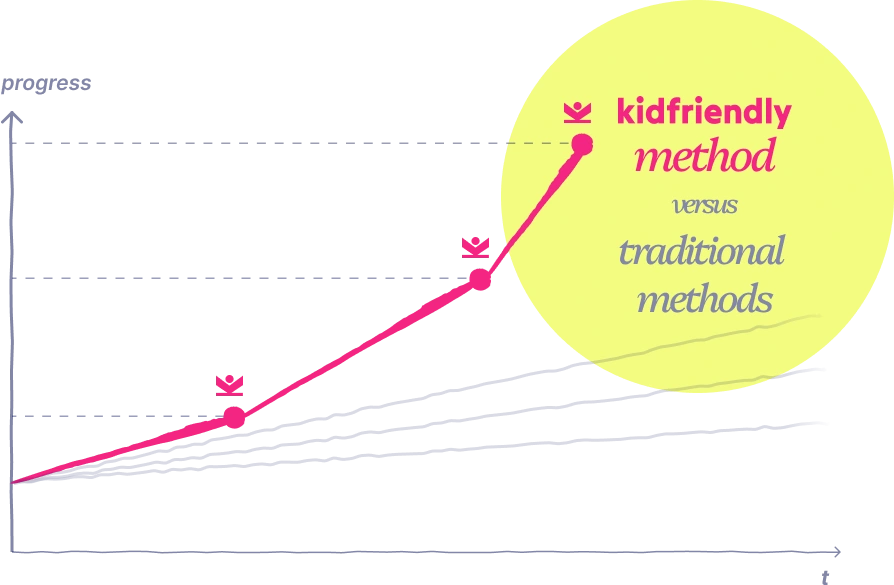
Learn more about the Kidfriendly method here.
FREE READINESS ESTIMATE
Get a free SATs readiness estimate
Use the Kidfriendly app to get a free SATs readiness estimate based on in-app practice. It helps parents and guardians see whether progress is building over time and what to focus on next.
