Year 6 SATs scores explained: what 100 means
Year 6 SATs results are reported as scaled scores, not percentages. In most cases, the first number parents want explained is 100. It means a child met the expected standard in that subject.
The full scaled-score range is 80 to 120 for reading, maths, and grammar, punctuation and spelling (SPaG).
What the numbers mean
- 100 or above — your child met the expected standard
- Below 100 — your child has not met the expected standard yet in that subject
- 80 to 120 — the reporting scale used for Year 6 SATs
This is not a pass-or-fail label. It is the reporting scale used for the end of Key Stage 2 tests.
Raw marks and scaled scores
A raw mark is the number of questions your child answered correctly.
That raw mark is then converted into a scaled score using a conversion table for that year’s paper. This is why the result is reported as a scaled score rather than as a percentage.
The conversion table changes each year. That helps keep the standard consistent even when one year’s paper is a little easier or harder than another.
Which subjects get scaled scores
Your child receives scaled scores for:
- reading
- maths
- SPaG
Writing is assessed separately by the teacher, so there is no Year 6 SATs writing scaled score. Science is sampled nationally in some years, but it is not part of every child’s reported SATs score set.
When results arrive
Schools usually receive Year 6 SATs results in early July. Parents normally see them in the end-of-year school report before the summer term ends.
What to do with the score
Use the score to decide what kind of support would help next, not as a label for your child.
- If the score is 100 or above, note the subject and keep practice steady rather than overcorrecting.
- If the score is below 100, ask the school which specific skills still need support.
- Look across subjects rather than reacting to one number in isolation.
If you want a broader picture than one result can give, use Year 6 SATs past papers to see the question format and a SATs readiness estimate to track how practice is building over time.
See where your child stands before SATs week
Kidfriendly turns short practice sessions into a clearer readiness picture, so you can see what is getting stronger and what still needs attention.
- a readiness estimate shaped by ongoing practice, not a single paper
- subject-level visibility that helps parents choose the next step
- short SATs sessions that are easier to repeat than full papers
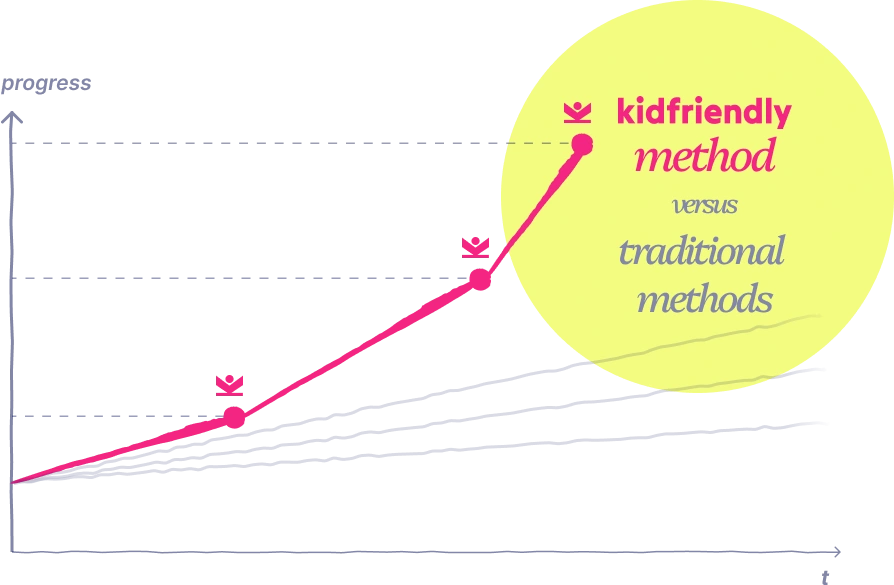
Learn more about the Kidfriendly method here.
FREE READINESS ESTIMATE
Get a free SATs readiness estimate
Use the Kidfriendly app to get a free SATs readiness estimate based on in-app practice. It helps parents and guardians see whether progress is building over time and what to focus on next.
