SPaG practice for Year 6
SPaG, short for spelling, punctuation and grammar, is the same thing as GPS in SATs. The most effective Year 6 practice combines two tools: official past papers for test format and timing, and Kidfriendly for short daily skill-building sessions with immediate feedback.
SPaG practice with Kidfriendly
Think of Kidfriendly as a digital tutor for SPaG: it works with your child systematically through the entire curriculum, making sure all the bases are covered before SATs.
It is designed to deliver short, repeated practice sessions:
- daily 5-to-10-minute sessions on a single topic,
- immediate feedback so mistakes are corrected in the moment,
- spaced repetition to revisit words or rules after a gap.
Kidfriendly keeps track of your child’s progress across grammar, punctuation and spelling over time, and shows an estimated SATs score based on their current level. It also gives an experimental SAT-day projection, so you can see where their recent practice trend is heading before the exam.
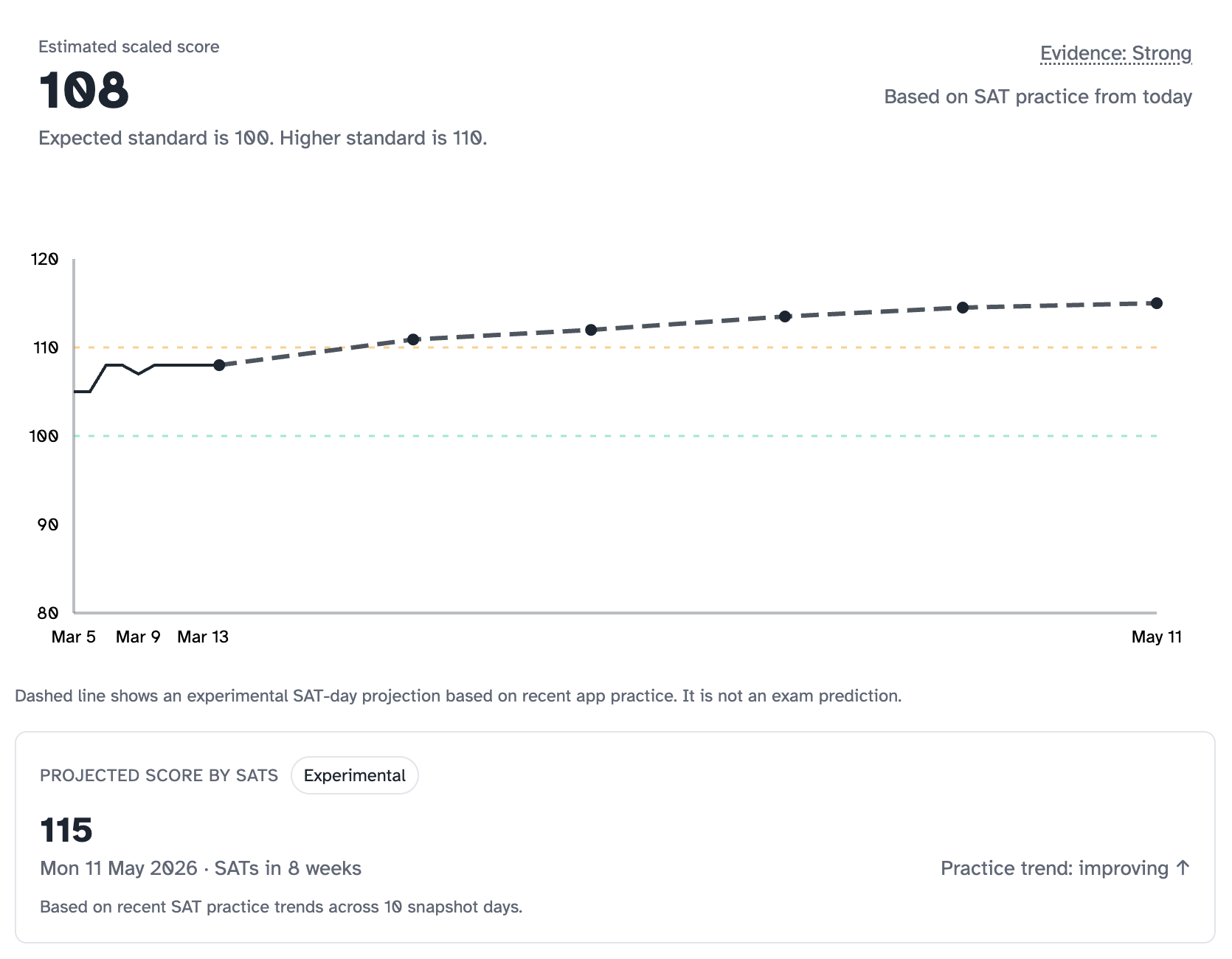
Because Kidfriendly separates grammar, punctuation, and spelling into distinct practice areas, your child can focus on whichever skill needs the most work rather than mixing everything together.
Start free SPaG practice with Kidfriendly →
SPaG practice on paper
Official past papers are the closest thing to the real test. Use them to:
- get familiar with the question format and wording,
- practise working within the time limit,
- spot which topics are costing marks.
In Year 6, SPaG is tested across two papers:
- Paper 1: grammar and punctuation questions (45 minutes, 50 marks)
- Paper 2: spelling, dictated aloud by the teacher (around 15 minutes, 20 marks)
Together they produce one scaled SPaG score. Writing is assessed separately by teachers, so there is no writing paper to practise for at home.
SPaG papers can be used in two different ways. Early on, they work well as learning tools: sit with your child, go through a section together, and talk through why an answer is right or wrong. You do not need to do a full paper every time. A half-paper or a single section is enough for a focused session.
Later, once the format feels more familiar, papers can also be used to simulate the real test under timed, quiet conditions. It is usually better not to start in full exam mode with an unprepared child, because that can be discouraging before the basics are in place.
Papers and mark schemes are available at KS2 SPaG papers.
How to use papers and Kidfriendly together
A simple routine that works well for many families:
Use Kidfriendly regularly
A few short sessions each day help keep grammar, punctuation and spelling moving forward.Every 1–2 weeks, do a timed paper
Treat it like a real SATs paper. This helps your child get used to exam conditions and gives you reassurance about how prepared they are.
Practise SPaG clearly across KS1 and KS2
Kidfriendly supports KS1 and KS2 SPaG by separating grammar, punctuation and spelling, so your child can work on the exact area that needs attention while you keep a simple view of what is getting stronger.
- grammar questions with immediate feedback
- punctuation drills that spotlight repeat mistakes
- spelling practice that mirrors dictation-style recall
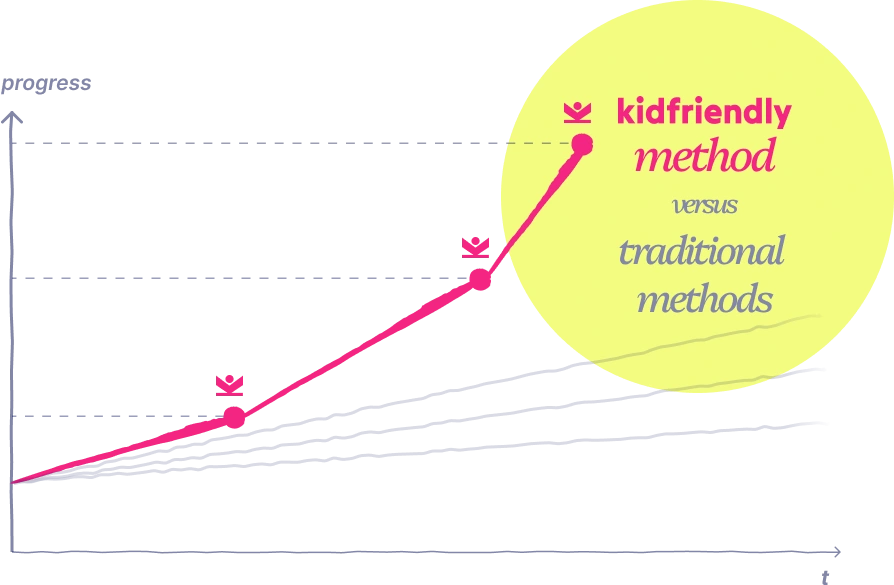
Learn more about the Kidfriendly method here.
FREE READINESS ESTIMATE
Get a free SATs readiness estimate
Use the Kidfriendly app to get a free SATs readiness estimate based on in-app practice. It helps parents and guardians see whether progress is building over time and what to focus on next.
